


What We're All About
 Ever wondered why someone would devote their life to Buddhism and become a monk? The conventional answer might have something to do with enlightenment or nirvana or something. Still the question remains as to WHY they seek those things. Someone seeks enlightenment and/ or nirvana because s/he has recognized that life as it is lived by the masses is vastly problematic and unsatisfactory. Someone entering the monastic life is seeking something better. However, life in our contemporary world does not lend itself to hermitage. We live ever more connected lives. Some will continue to seek sanctuary in a monastery, but is this the only option - seclusion?
No. Your life can be your monastery.
Locations
The Center for Pragmatic Buddhism currently has in-person meditation and discussion groups in the following locations:
Meditation Techniques
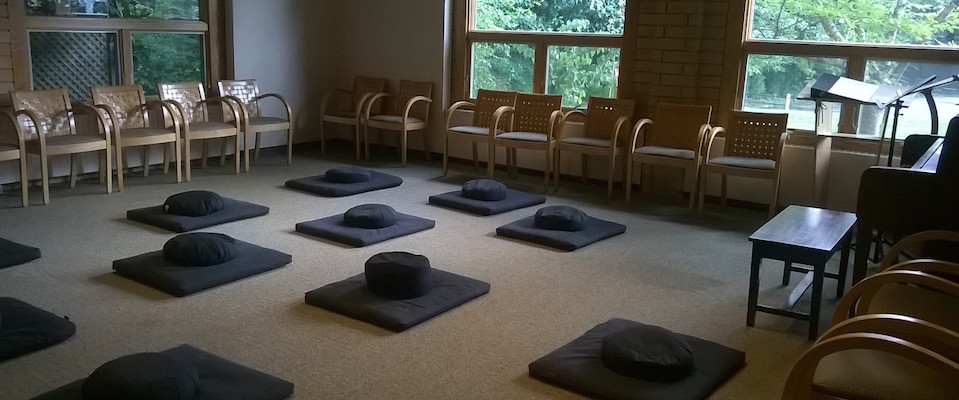
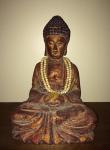 Zazen as it is known in the Japanese Zen tradition, is the practice of “just sitting in mindfulness.” It is not a matter of “stopping” the mind, but rather allowing the practitioner to become aware of his or her own thoughts, so that benefit can be had from a more intimate awareness of one’s present condition. The practice of sitting meditation allows for a relaxation and deep calm to result in the practitioner. The simple attention that results from just sitting allows for a nonjudgmental awareness of one’s circumstances, so that fewer negative mental labels are attached to one’s experiences “out in the world.” The practice of just sitting is most beneficial because it is readily employable in stressful situations in one’s everyday life. As you sit, simply "watch and be present."
Training
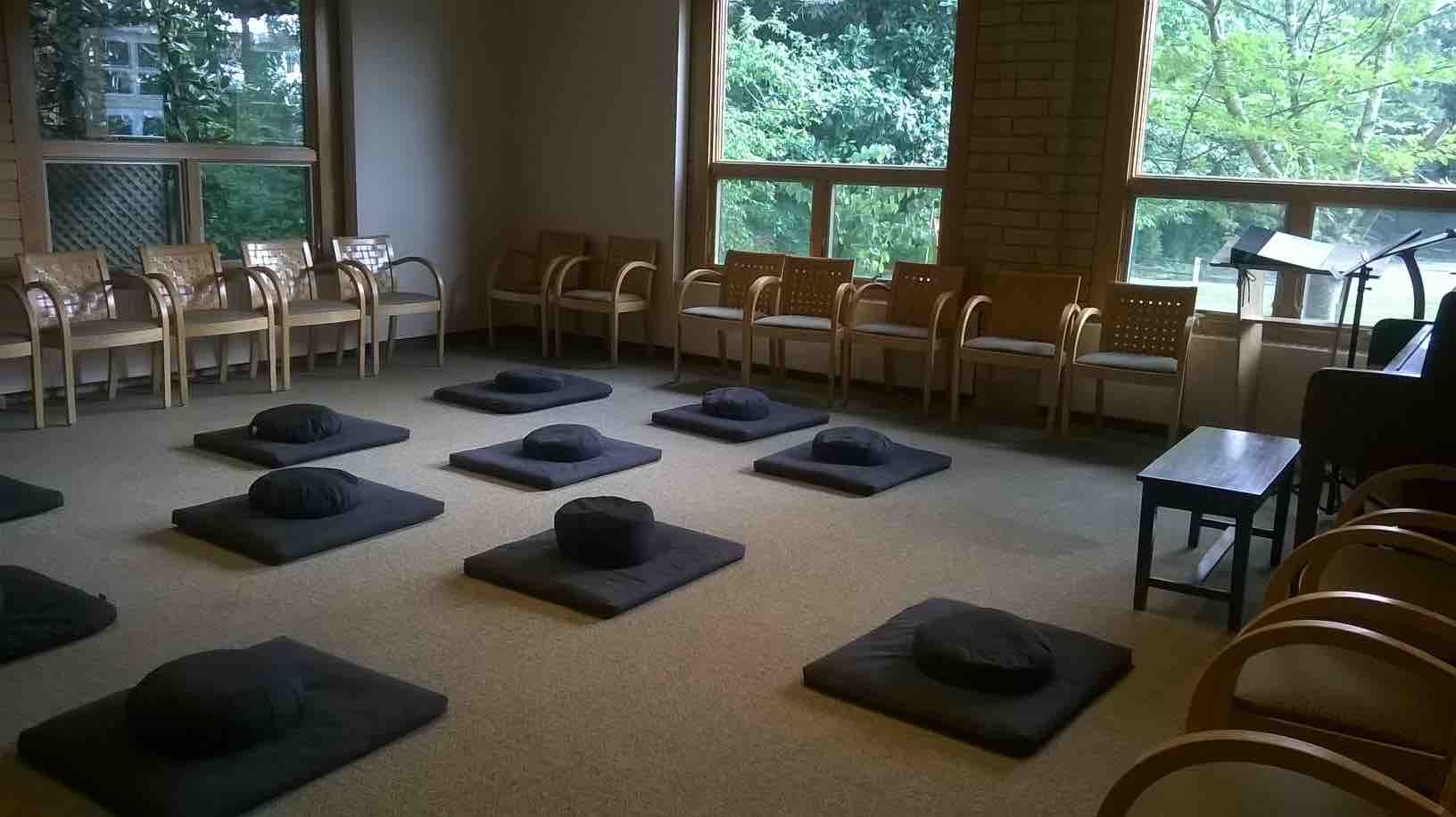 In Pragmatic Buddhism, our primary tool for generating a deeper understanding of our world is the practice of awareness cultivation, or mindfulness meditation (zazen; "just sitting"). This is a method that has been used since the time of the historical Buddha—Siddhartha Gautama—some 2400 years ago. Mindfulness practice is an intentional, non-judgmental embracement of our own personal contingency and the experiences we have of our world. It is the moving away from a state of average everydayness, where we are largely unaware of our motivations and habits of bodymind. In mindfulness, we engage our world directly and, becoming aware of it, accept it for what it is: a world of causal relationships that are made possible through an interconnected, interdependent reality.
Links of Interest
Practicing the Eightfold Path
Practicing the Eightfold Path
A dharma talk by Danielle MacCartney
The Eightfold Path
The Eightfold Path
A dharma talk by Danielle MacCartney
Pragmatic Buddhism is an empirically informed action plan to cultivate skillful living and increase human flourishing for all living beings.
The Three Characteristics of Existence: Impermanence
The Three Characteristics of Existence: Impermanence
A dharma talk by Danielle MacCartney
“The flower bloomed and faded. The sun rose and sank. The lover loved and went. And what the poets said in rhyme, the young translated into practice.”
― Virginia Woolf, Orlando
Why Become Buddhist? -by Glenn Gustafson
So I was asked by a friend to recommend a good introduction to Buddhism for him. He’d led a rough life and said he was happy with the Way he’d discovered for himself, but people (not me by the way) were telling him that it was a very “Buddhist” way so he thought he’d investigate. This brought up the question for me “Why become a Buddhist?”. It also reminded me on the other side of how we were taught in Catholic seminary to answer the question, “Why do I need to be Christian, isn’t it enough to be good?”. I say ‘on the other side’ because the answers are exactly opposite.